
Two Nuns Have a Message for Catholics Angry About Their Ministry To Immigrants
- MPadilla
- Feb 19, 2022
- 1 min read
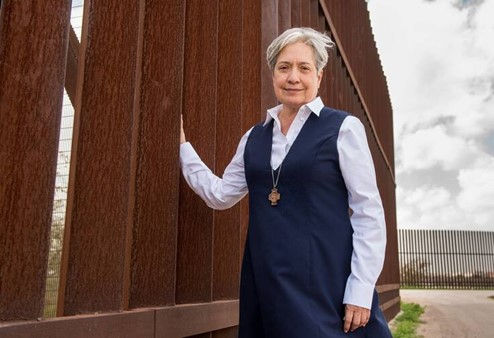
“Norma Pimentel, M.J., the executive director of Catholic Charities of the Rio Grande Valley in Brownsville, Tex., has become a primary focus of the ire of anti-migrant forces. “The claims made by the congressman show a lack of knowledge and understanding on his part of immigration law and our work here on the U.S.-Mexico border,” Sister Pimentel countered in an email to America, adding, “I invite the congressman to come here and visit with me and see what we do firsthand.”
“Restoring human dignity,” Sister Pimentel said, “that is what we are doing. Once the federal government determines the immigrant families can enter this country, we simply offer humanitarian assistance in their time of crisis.”
“Sister Markham is at a loss to explain the flare-up of attention now on work that C.C.U.S.A. has been associated with for decades. C.C.U.S.A.’s outreach on behalf of migrants and refugees has been a consistent component of its historical social service efforts, she explained. “We’ve certainly been respected by various administrations on both sides of the aisle [for our work], so this is puzzling to me.”


Comments